In the sun-soaked suburbs of Perth, double brick homes dominate the landscape like a timeless tradition. But why do West Aussies cling to this sturdy material when alternatives like timber frames offer modern perks? This deep dive explores the history, stats, and sentiments behind Perth’s brick love affair—and whether it’s still the smart choice in 2025.
The Lay of the Land: Brick vs. Timber in Perth
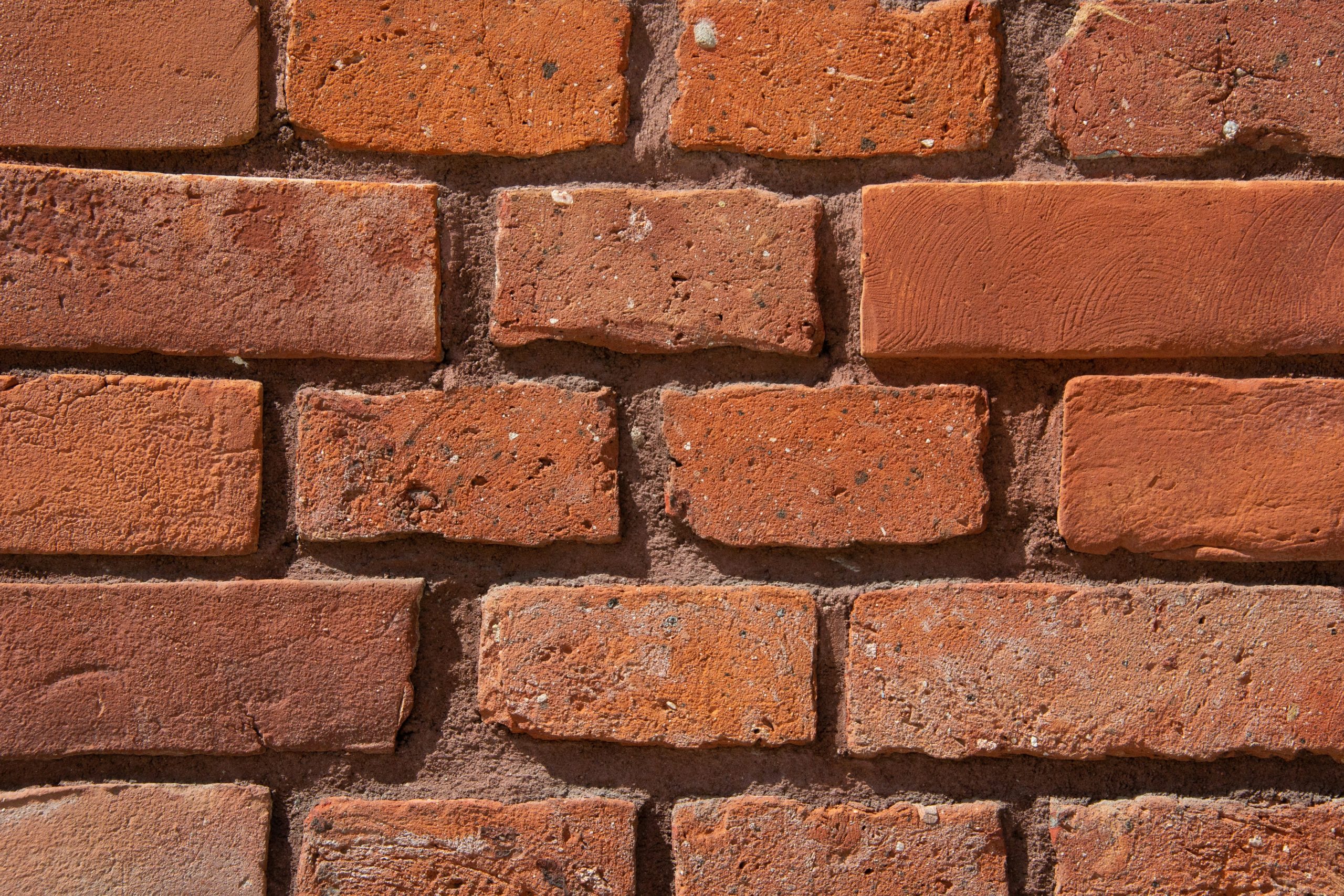
Driving through Perth’s northern suburbs, you’ll spot endless rows of brick homes from builders like Ventura Homes, Gemmill Homes, Zorzi Builders, and Oswald Homes. These aren’t just walls; they’re a cultural staple, often rendered or laid in bespoke patterns for a contemporary twist.
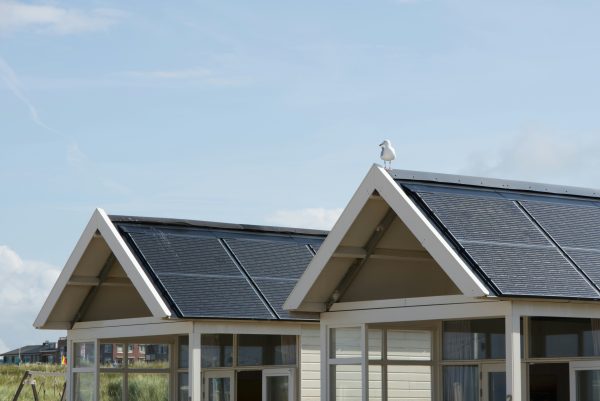
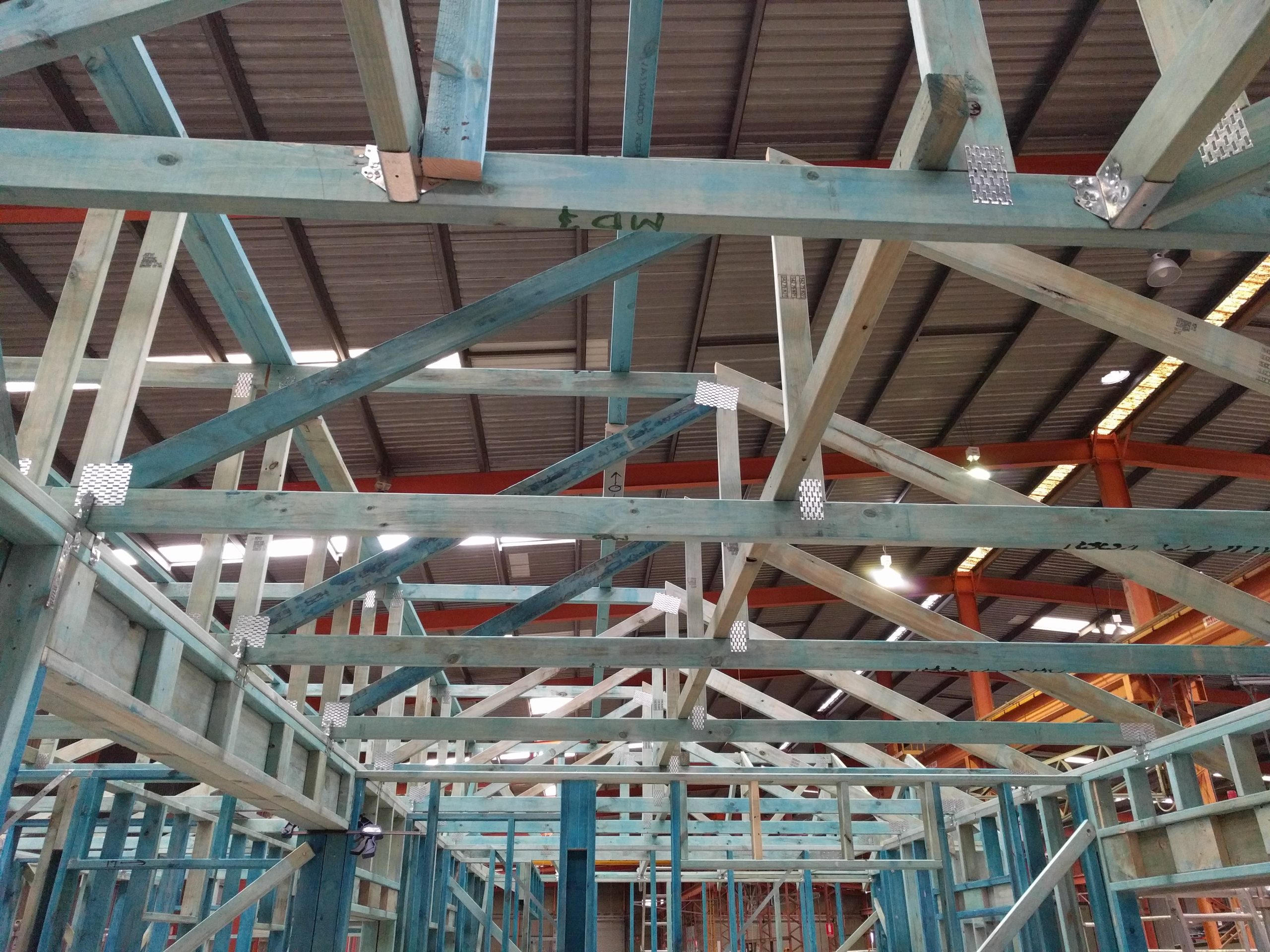
Timber-framed homes are rarer, often clad in CFC or weatherboard, evoking cozy Victorian or Edwardian vibes. They’re mistaken for period pieces but stand out against the sleek modern designs dominating today. Blends exist too—think renovated post-war houses in affluent western suburbs mixing brick and timber.
Then there are eco-friendly outliers: Structurally Insulated Panels (SIPs), made from polystyrene cores sandwiched between oriented strand boards (OSB). These versatile panels handle floors, walls, or roofs and can mimic traditional looks like weatherboard. Rammed earth pops up in the Perth Hills for a rustic feel, but it’s niche.
To recap: Perth’s options boil down to brick (the heavyweight champ), timber (the flexible underdog), and emerging sustainable alternatives.
The Numbers Game: Brick’s Dominance Over Time
Statistics paint a clear picture of brick’s rise. According to the Australian Bureau of Statistics (ABS) 1999 Housing Survey, masonry walls (double brick or brick veneer) grew from 65% in 1994 to 71% by 1999 nationwide. Timber constructions dipped slightly during this period.
In Western Australia, the trend was even stronger: By the early 2000s, 87% of new dwellings were double brick—the highest rate in Australia. A 2013 survey by the Department of Planning WA of 1,071 people found 88% considered building materials important, with 53% favoring double brick and 26% eyeing sustainable options.
Fast-forward to 2025: Brick still rules at around 70% of new builds in WA, but alternatives are gaining ground. Recent industry reports show 30% of homes now use non-brick materials like timber or steel frames, driven by rising costs and housing demands. Timber’s share is climbing due to faster builds and lower prices in a tight market.
Technical Showdown: Brick vs. Timber
Objectively, how do they stack up? Let’s compare key factors in Perth’s climate.
- Insulation: Measured by R-value (higher = better heat resistance). Double brick with a 50mm cavity maxes at R1.5 with batts; base is ~R0.45 without. Timber frames (90mm studs) hit R2.0, offering better energy efficiency for cooling in hot summers.
- Fire Resistance: Double brick walls boast an FRL of 120/120/120 (minutes for structural adequacy/integrity/insulation). Timber frames, with fire-resistant plasterboard and Vilaboard linings, reach 60/60/60—solid but half the rating.
- Cost: Historically, timber framed at $1,500/m² vs. $1,700/m² for brick (basic-medium standard). In 2025, timber often undercuts brick due to quicker construction and material availability, though prices fluctuate with labor and logistics.
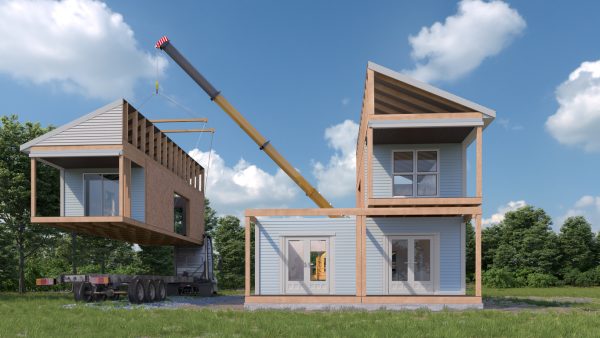
Brick wins on durability and fire safety, but timber edges out on insulation and speed—ideal for modular builds.
What Do People Really Think?
Surveys reveal the human side. Industry pros prefer timber for ease and availability but admire brick’s aesthetics. Homeowners? Overwhelmingly brick fans, citing positive experiences with its solidity.
Why the bias? It’s partly “attractiveness bias”—our evolutionary pull toward order, repetition, and beauty. Brick delivers that with its uniform look, while timber feels less “permanent.” Personal chats with builders and owners highlight aesthetics over specs, even if timber performs better in some areas.
Construction Industry Surveyees
| Question | IP1 | IP2 | IP3 | IP4 | IP5 |
| Preferred building material – timber frame or double brick? | TF | TF | DB | TF | DB |
| Preferred aesthetic – timber frame or double brick? | TF | DB | DB | DB | DB |
| Easiest to use – timber frame or double brick? | TF | TF | TF | TF | TF |
| What construction type has the best trade availability? | DB | TF | DB | TF | TF |
| Most likely to have problems – timber frame or double brick? | DB | DB | DB | TF | TF |
Typical Homeowner Surveyees
| Question | H1 | H2 | H3 | H4 | H5 |
| Are you a home owner? | Y | Y | Y | Y | Y |
| What type of house do you own – timber frame or double brick? | DB | TF | DB | DB | DB |
| Did the wall material of the house sway your decision to buy it? | Y | Y | Y | N | Y |
| Have you had any negative experiences with the house due to its construction type? | Y | N | N | N | N |
| Would you buy the same construction type home again? | Y | Y | Y | Y | Y |
- TF: Timber Frame
- DB: Double Brick
- IP: Industry Professional
- H: Homeowner
The Roots of Brick’s Reign: A Historical Brick-by-Brick Tale
Perth’s brick obsession traces back to post-WWII. Midland Brick, founded in 1946 by brothers Ric and Gerry New, spotted a shortage and tapped local clay in Middle Swan. Starting with a £200 loan and makeshift machinery (like Bren gun carrier forklifts), they built WA’s first bricklaying school to boost labor.
Ric’s “knock knock” campaign door-knocked homes, touting brick’s durability. By 1989, Midland Brick was a $100M giant. Their influence flooded the market with affordable bricks and skilled trades, cementing brick as the go-to.
Architectural styles evolved around it:
- 1950s Post-War: Basic brick-fibro mixes with “Blue Tapestry” bricks symbolizing optimism.
- 1960s-70s Mid-Century Modernism: Clean lines, flat roofs, inspired by Le Corbusier—double brick boomed in project homes.
- 1970s Mix-Up: Minimalism with deco touches, brown bricks, and emerging renders.
- 1980s-90s Federation/Tuscan: Reds, creams, open plans, mimicking limestone.
- 2000s Sustainability Push: Greys, painted bricks, passive solar focus.
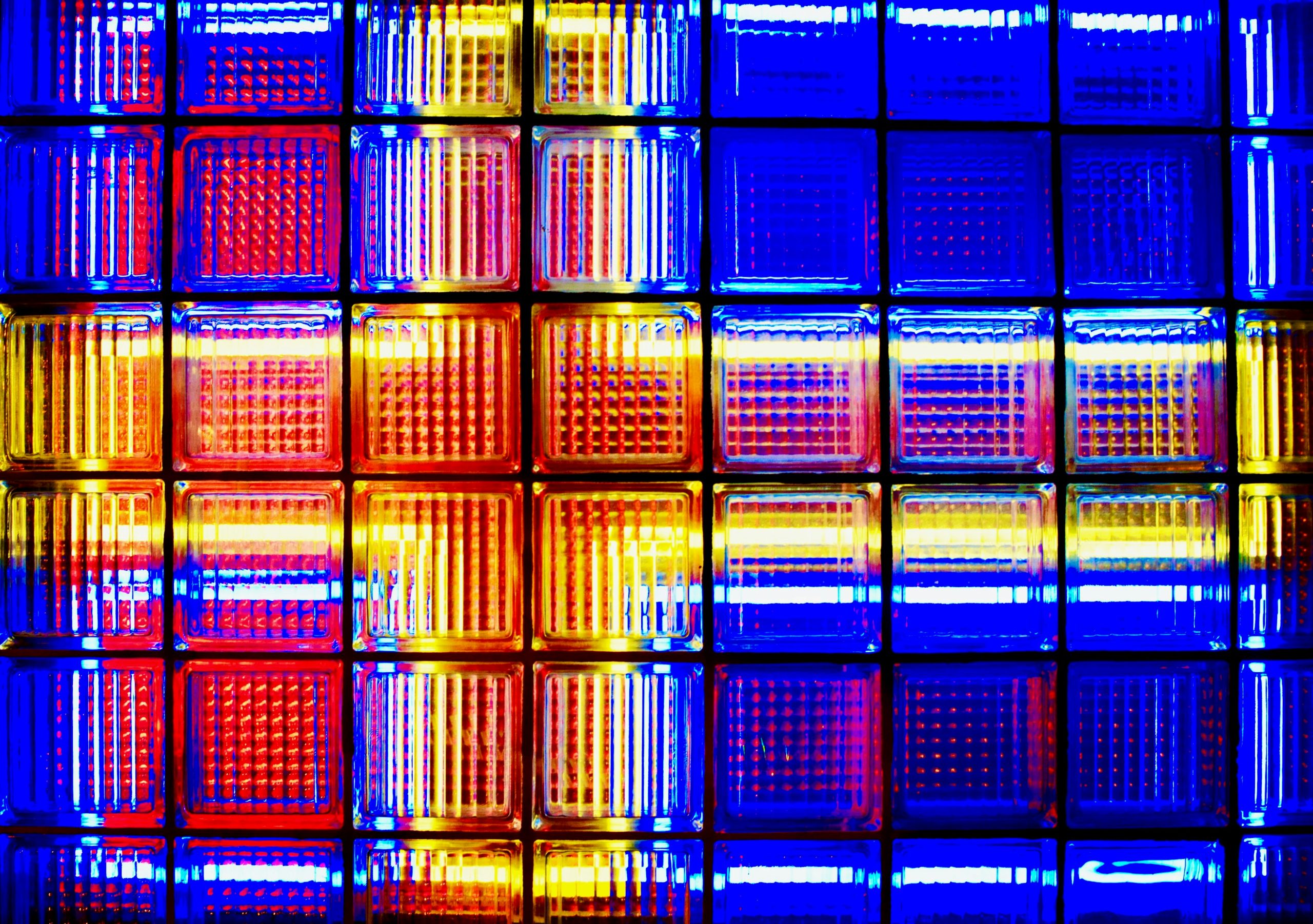
- Future Vibes: Innovations like glass bricks (e.g., Chanel’s Amsterdam store) hint at hybrid futures.
One constant? Double brick construction technique—fast or face brick, rendered or raw.
Conclusion: Time for a Rethink?
Brick’s not justified by cost or performance alone—timber often matches or beats it. Yet personal preference, history, and that solid “feel” keep it king in Perth. With 2025 trends shifting toward timber for affordability and eco-friendliness, modular options like SIPs could disrupt the status quo.
If you’re building, weigh aesthetics against practicalities. Invest in a brick coursing chart? Maybe. Or explore timber for a faster, greener module-made home.
Updated for 2025 trends based on recent WA housing reports. Original research circa 2018.